Gold Detectors for UK Prospectors and Treasure Hunters
In short. A gold detector is tuned to find small, low conductivity gold that a general purpose machine walks straight past. Entry level machines start at around £250, professional ground scanning systems run to just under £42,000, and most hobbyists are well served under £2,000.
If you are shopping for a metal detector for gold rather than a general machine for coins and relics, this is the right page. We are official UK dealers for OKM, GER, UIG and Geoground, with free UK delivery.
Which Technology Do You Need?
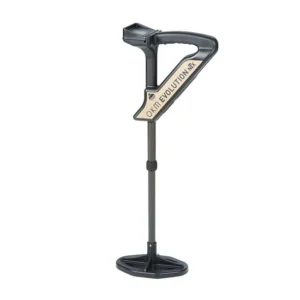
VLFBest forTiny gold near the surface. Nuggets, flakes and lost jewellery.WeaknessStruggles in heavily mineralised soil and wet saltPrice£250 to £1,000
Pulse inductionBest forUK beaches, iron heavy sites and mineralised groundWeaknessLess sensitive to the very smallest targetsPrice£2,000 upward
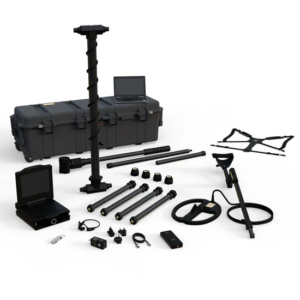
3D ground scannerBest forSeeing target shape and depth before you digWeaknessSurvey kit rather than a walking detectorPrice£1,300 to £42,000
Long rangeBest forCovering large areas fast to narrow the searchWeaknessA first pass tool, not a detector replacementPrice£1,750 upward
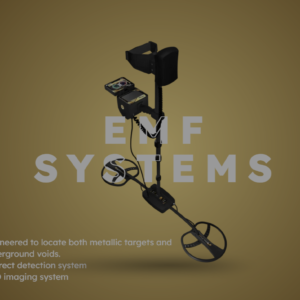
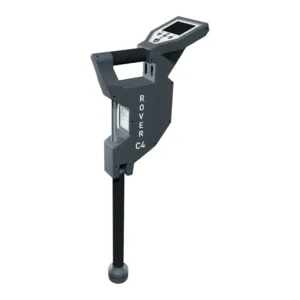
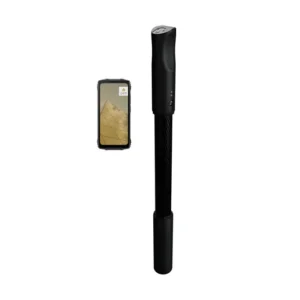
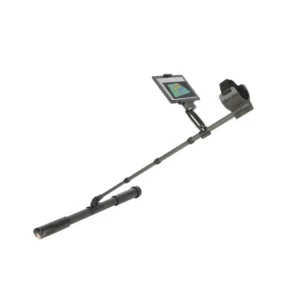
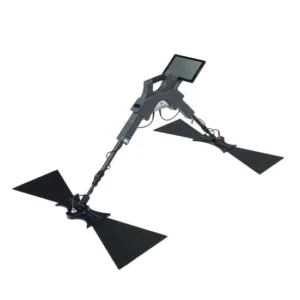
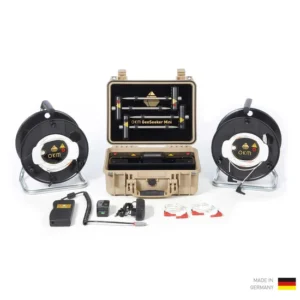
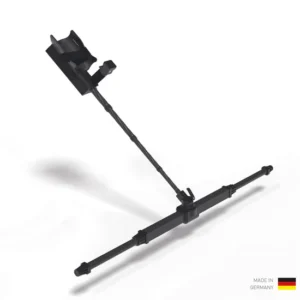
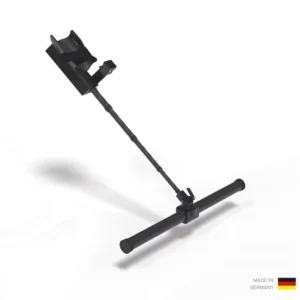
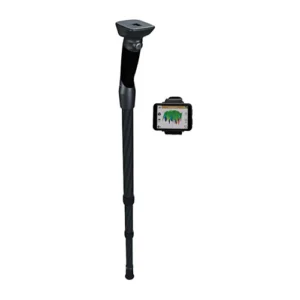
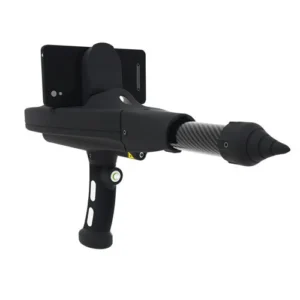
Gold scanners such as the OKM Rover C4 and the Geoground Gold Vision build a visual map of what lies below before you dig.
Choosing by Budget
£250 to £400Who it suitsFinding out whether you enjoy it. The cheapest gold detector that genuinely does the job.
Start hereReflex G6 at £249.99
Air MD at £389
£1,300 to £5,000Who it suitsCommitted hobbyists wanting real depth and target imaging.
Start hereGR-3 at £1,300
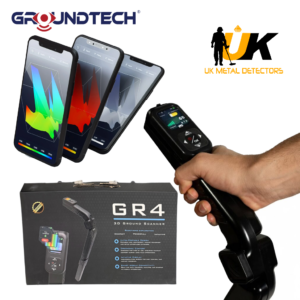
Groundtech GR-4 at £1,750
Finding Gold in the UK
Be realisticBritain is not a nugget field. Natural placer gold turns up in parts of Wales, Scotland and Cornwall, usually as small flakes in river gravels.
What people actually findGold jewellery, hammered and milled gold coinage, and gold alloy artefacts from fields walked for centuries.
Why a gold machineA thin gold ring reads weakly and sits close to a ring pull. Sensitivity is what separates the two.
Detecting abroadThe deep scanning systems here are built for Africa, the Middle East and Australia.
Gold Nugget Detectors
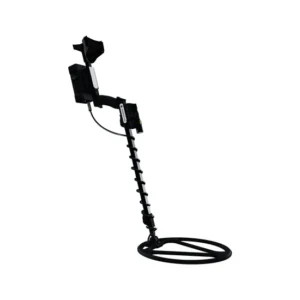
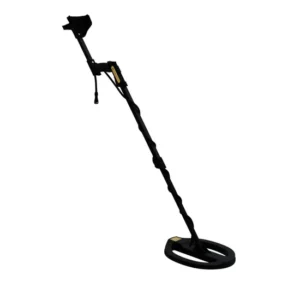
A gold nugget detector is a high frequency VLF machine tuned for the smallest targets, with ground balancing good enough for iron rich soil. Frequency matters more than raw power. A low frequency machine will not see a sub gram nugget however deep it claims to go, and small gold sits in the top few inches far more often than at depth.
Why Buy From Us
Official UK dealerOKM, GER, UIG and Geoground. Your warranty is real.
Built for UK groundMineralised farmland, shingle beaches and riverbanks, where cheaper kit struggles.
Honest adviceWe would rather talk you into the right machine than the dearest one.
Free UK deliveryOn every detector, with support from a UK team.
New to this? Start with our beginner detectors, or get in touch and we will match a machine to your ground and your budget.
Gold Detector Questions, Answered
Can a metal detector detect gold?
Yes. Gold is conductive, so any detector will register it. The difference is sensitivity. Small or thin gold gives a weak signal, so a machine tuned for gold at a higher frequency will hear targets a general purpose detector misses completely.
How much is a gold detector?
Gold detector prices here start at around £250 for an entry level machine. Mid range ground scanning equipment runs from roughly £1,300 to £5,000, and professional survey systems go from £5,000 up to just under £42,000. A higher gold detector machine price mostly buys depth and imaging rather than better sensitivity to small gold.
How deep can a gold detector detect?
It depends on target size and ground. A small nugget might read at four to eight inches with a sensitive VLF machine. Larger objects go deeper. Professional ground scanners reach several metres, but they locate cavities and sizeable masses, not single flakes. Treat any depth claim that ignores target size with caution.
How do gold detectors work?
A coil transmits an electromagnetic field into the ground. Metal objects disturb that field, and the detector reads the disturbance to estimate what the target is and how deep it sits. Gold specific machines use higher frequencies and finer ground balancing so small gold stands out from soil mineralisation.
Is a gold detector the same as a metal detector?
Not quite. A gold metal detector is tuned for small low conductivity targets and for coping with mineralised ground. A general machine is a better all rounder for coins and relics. The difference shows most on thin jewellery and small nuggets.
Can a metal detector find a gold ring?
Yes, and rings are one of the most common gold finds in Britain. A thin ring reads weakly and sits close to foil and ring pulls on the display, so sensitivity and good discrimination matter more than depth.
Do gold detectors only detect gold?
No. They detect all metals. What makes them gold detectors is how well they handle the weak signals gold produces and how cleanly they separate those from ground noise. You will still dig iron and aluminium.
What is the best gold detector for beginners?
Something simple and affordable that you will actually use. The Reflex G6 at £249.99 or the Air MD at £389 are both sensible first machines. Learn your ground and your signals before spending more.
Can you hire a gold detector?
We sell rather than hire. For most people a used entry level machine costs little more than a few weeks of hire and can be sold on afterwards. If you need equipment for a specific survey, get in touch and we will advise.
Is gold detecting legal in the UK?
Detecting is legal with the landowner’s permission, which you must have before you search. Scheduled monuments and some protected land are off limits entirely. Significant gold and silver finds are treasure under the Treasure Act and must be reported to the coroner.