Beginner Metal Detectors
In short. A first machine needs three things: a stable ground balance, controls you can learn in an afternoon, and a weight you can swing for three hours. Everything else is optional. Our starter range runs £79.95 to £399.99, and most people should spend between £80 and £275.
Being new to detecting is mostly about learning to read signals, not about owning clever equipment. A simple machine in practised hands beats an advanced one in new hands every single time, which is why we steer first time buyers towards something they will actually take out rather than something that looks impressive on paper.
What a First Machine Actually Needs
Stable in British soilOur ground is iron rich and mineralised. A detector that chatters constantly gets abandoned in the shed within a month.
Controls you can learn quicklyTwo or three dials beats a menu system. You want to be reading the ground, not the manual.
Weight you can carryThree hours of swinging is a normal session. A lighter machine you enjoy using finds more than a heavy one you avoid.
Discrimination that worksThe ability to separate iron from silver before you dig is what turns a frustrating day into a productive one.
What You Can Safely Skip
Multi frequency, at firstGenuinely useful on wet salt sand and little else. Single frequency machines handle ordinary farmland perfectly well.
Huge coilsA big coil reaches deeper but misses small targets and struggles in rubbish. The standard coil is the right coil to learn on.
Depth claimsQuoted maximum depths refer to large objects in ideal ground. For a coin in a British field, six to ten inches is the honest figure on any machine.
Spending more than £300Above that you are buying specialisation. It will not help until you can already tell a ring pull from a ring.
Starter Budgets
Trying the hobby, £79.95The Lander XD50. Light, simple, and the sensible way to find out whether you enjoy this before committing.
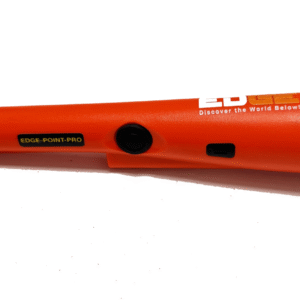
The accessory that mattersThe Edge Pro Pointer at £49.95. It finds the target in the hole in seconds. Buy it with your detector, not a year later.
Why Buy From Us
Official UK dealerReal warranty, real support, and stock we actually hold.
Built for UK groundMineralised farmland, shingle beaches and riverbanks, where cheaper kit struggles.
Honest adviceWe would rather talk you into the right machine than the dearest one.
Free UK deliveryOn every detector, with support from a UK team.
Want the full written comparison before you decide? Read our guide to choosing a first detector, then come back here to order. If you still need land to search, start with how to get permission.
Beginner Questions, Answered
How much should I spend on a first metal detector?
Between £80 and £275 covers almost everyone. Under £100 tells you whether you enjoy the hobby. Around £250 buys a machine you will keep for several seasons. Spending more at the start rarely improves what you find.
What is the easiest starter metal detector to use?
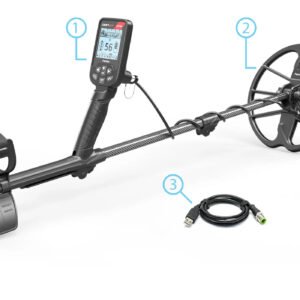
The Lander XD50 at £79.95. It switches on and works, with no menus to get lost in. The Nokta Simplex Ultra is the easiest of the more capable machines, because its preset modes do the thinking for you.
Will a cheap detector actually find anything?
Yes. Coins, buttons, buckles, musket balls and jewellery are all within reach of an £80 machine in the top eight inches of soil. What you gain higher up the range is better target identification and fewer wasted digs, not a different class of find.
What else do I need besides the detector?
A pinpointer, a proper digging tool, headphones and a finds pouch. Of those the pinpointer makes the biggest difference to how many targets you actually recover in a day.
Do I need permission to go metal detecting?
Yes, every time, from the landowner, and ideally in writing. All land in Britain is owned by somebody. Scheduled monuments are off limits entirely, and treasure finds must be reported to the coroner.
How long does it take to get good?
Most people start recognising reliable signals after about ten sessions. The skill is in learning what your own machine sounds like over iron, foil and silver, which is why sticking with one detector beats upgrading early.
Can children use these machines?
The lighter machines yes, with an adult. The Lander XD50 is light enough for most children over about eight, and the simplicity helps rather than hinders.
Is a used detector a good idea?
It can be, if it is a known model with available coils and shafts. Avoid obscure imports, because a machine you cannot get a replacement coil for is worth very little when something fails.
Further reading