£599.95




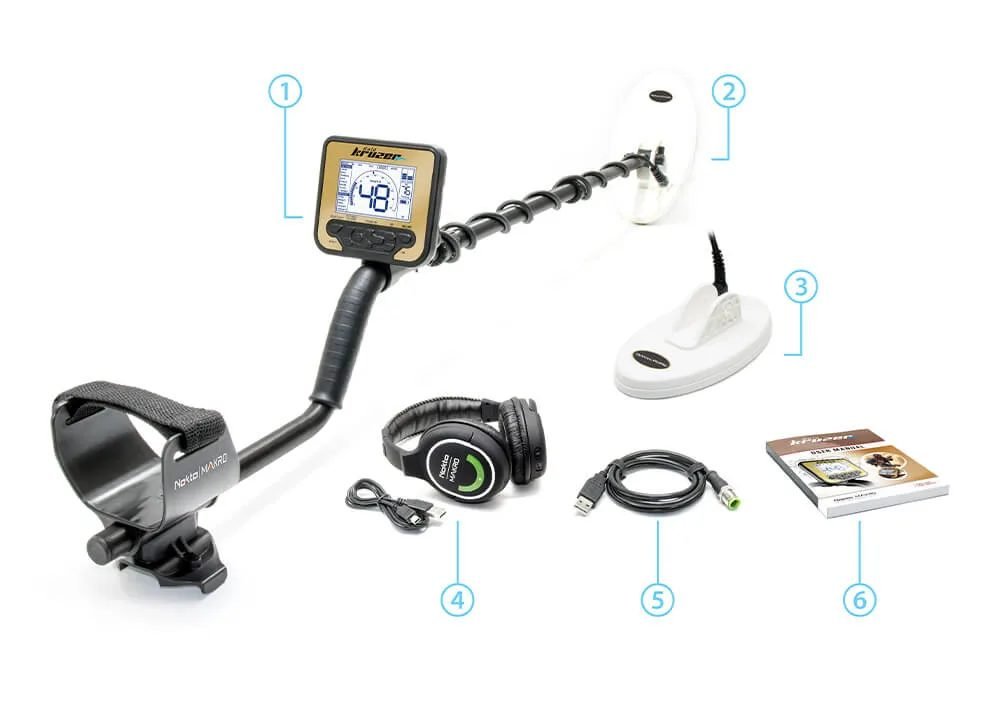
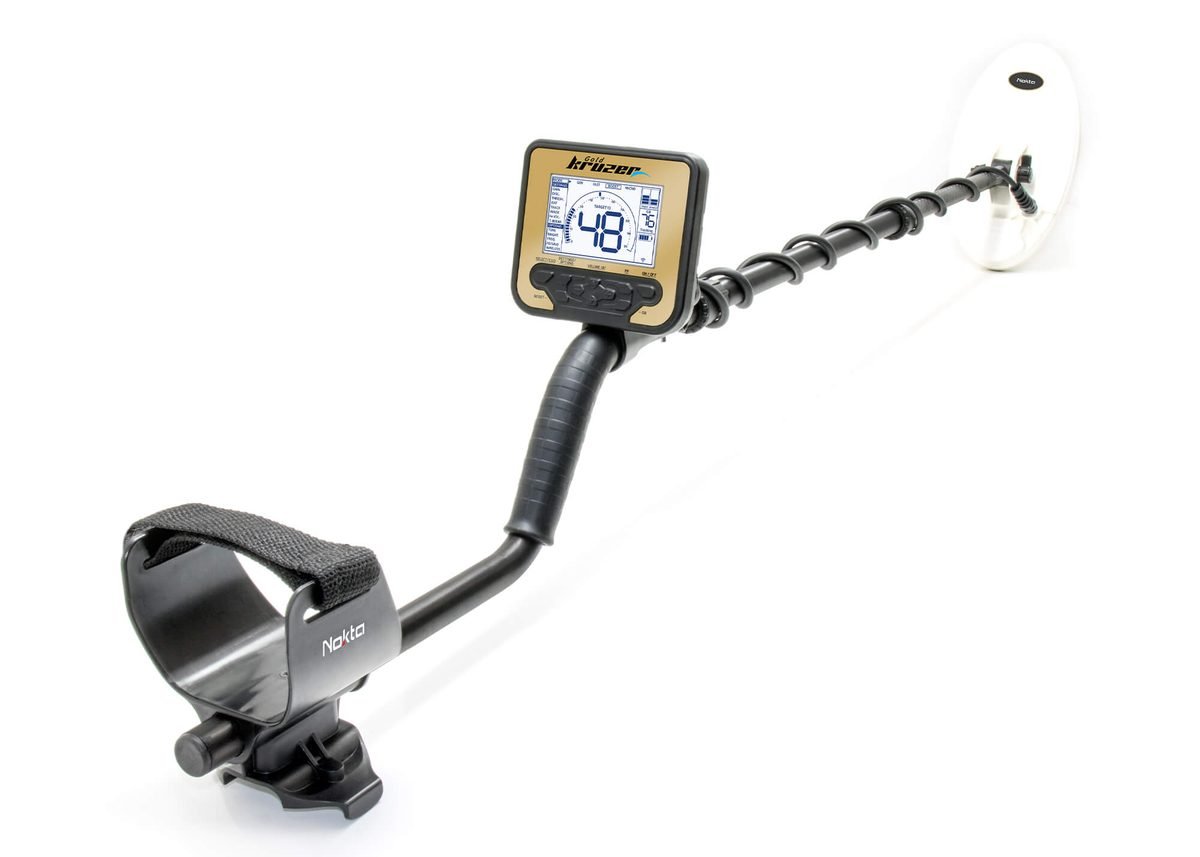
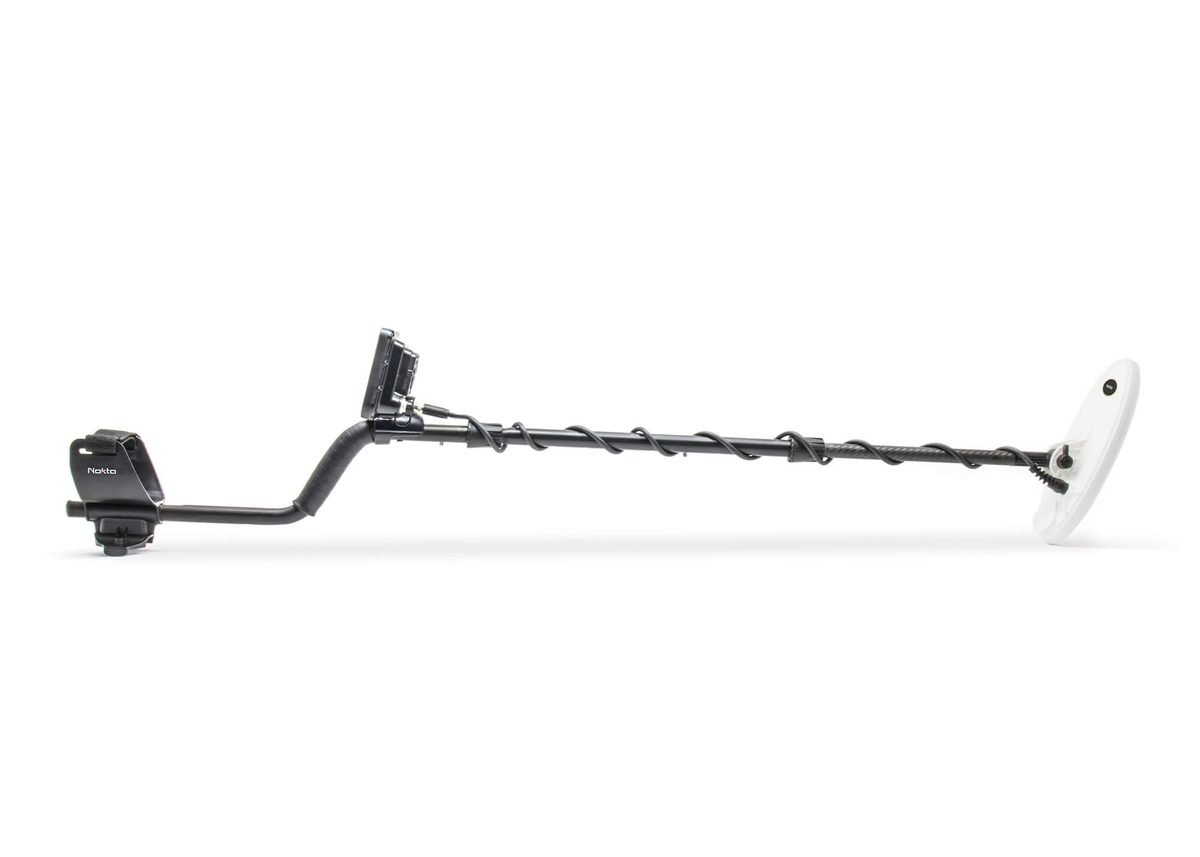
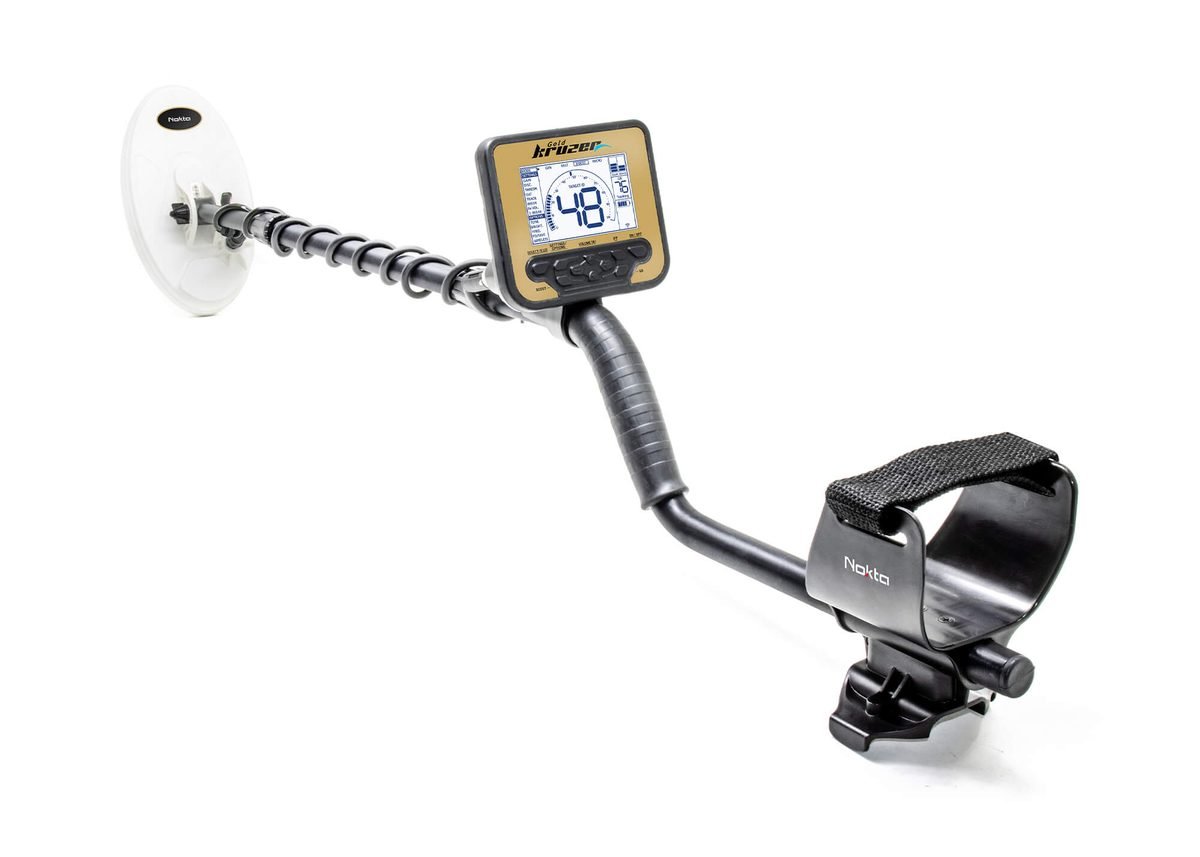
The Nokta Gold Kruzer is a high-frequency 61 kHz gold metal detector designed for gold prospecting, small gold nuggets and micro jewellery. With 4 search modes, E.U.D. Extra Underground Depth, advanced ground balance and IP68 waterproofing up to 5m, it is built for detecting in challenging and mineralised ground.
Ideal for:
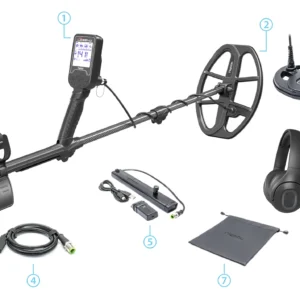
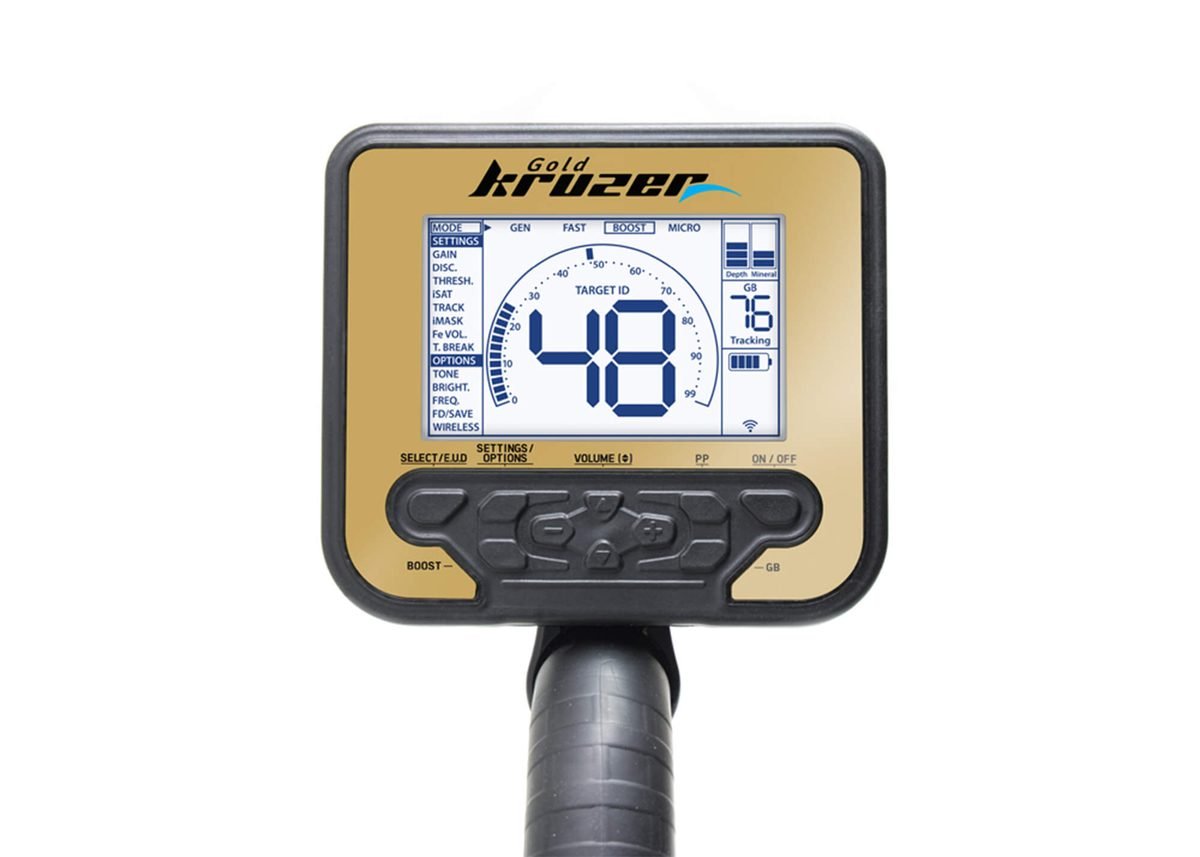
The Gold Kruzer features 61 kHz high-frequency operation, 00–99 Target ID, E.U.D. technology, wireless headphones and up to 19 hours of battery life.
In stock – fast UK delivery
The Nokta Gold Kruzer is a high-frequency gold metal detector designed specifically for gold prospecting and detecting small gold nuggets and micro jewellery. Operating at 61 kHz, it provides high sensitivity to tiny gold targets while offering strong performance in harsh ground conditions and areas affected by hot rocks.
The Gold Kruzer’s 61 kHz operating frequency is designed to provide enhanced sensitivity to small gold nuggets and fine targets. This makes it particularly suited to gold prospecting and micro-jewellery detection where sensitivity to small targets is important.
The detector provides four search modes: Gen (All Metal), Fast, Boost and Micro. These modes allow users to adjust their detecting approach for different gold prospecting situations and target sizes.
The Gold Kruzer features E.U.D. (Extra Underground Depth) technology, designed to help detect small gold nuggets that may be masked by hot rocks or located at fringe depths.
With an IP68 rating, the Gold Kruzer is fully submersible to 5 metres (16.4 ft). This makes it suitable for gold prospecting in wet environments and underwater detecting. Note that the included 2.4 GHz wireless headphones are not waterproof and cannot be used underwater.
Weighing just 1.4 kg including the search coil and batteries, the Gold Kruzer is designed for extended detecting sessions. Its built-in 3700mAh Lithium Polymer battery provides up to 19 hours of use, while the adjustable shaft extends from 111–135.5 cm.
£599.95. It is a specialist rather than an all rounder, so the comparison that matters is against other gold machines, not against the Legend at £799.95.
Because small gold is a very small target, and sensitivity to small targets rises with frequency. At 61kHz this machine hears nuggets and micro jewellery that a 15kHz detector walks straight over. The trade is less depth on large deep objects.
Extra Underground Depth. It is designed to find small gold that is masked by hot rocks or sitting at fringe depth, which is precisely where high frequency machines normally lose targets. On mineralised ground it is the feature that justifies the price.
Gen, which is all metal, plus Fast, Boost and Micro. Micro is for the smallest targets and Boost for depth. Most prospectors work in Micro and switch to Boost when they want to check whether a faint signal is deeper than it sounds.
IP68 and submersible to 5 metres, 16.4 feet, so it suits wet ground and underwater gold work. One caveat worth knowing: the included 2.4GHz wireless headphones are not waterproof and cannot be used underwater.
It will find them, but you are using a specialist at the wrong job. For general coin and relic work in British soil the Simplex ULTRA at £299.95 or the Legend will give you better target identification and more depth on larger finds.
1.4kg including the search coil and batteries, with up to 19 hours of use. Prospecting sessions tend to be long and slow, so both figures matter more here than on a coin machine.
It is the correct type of machine for it, though Britain is not generous ground for natural gold. Welsh and Scottish rivers are the realistic targets. See our gold detectors page for the wider picture.