Ground Metal Detectors
In short. Two very different things get called a ground metal detector. A swung coil machine, £79.95 to around £775, finds coins and jewellery in the top foot or so. A 3D ground scanner, £1,300 upwards, surveys metres down for buried structures and caches. They are not substitutes for each other.
Most disappointment in this hobby comes from buying the wrong one of those two. People read that a scanner reaches thirty metres, buy a coil machine, and wonder why it will not find a Roman hoard at six feet. The honest answer is that depth and sensitivity pull in opposite directions, and no single machine does both jobs well. If you are shopping for a ground search metal detector for coins and relics, you want the first type, and almost nobody needs the second.
Two Different Jobs
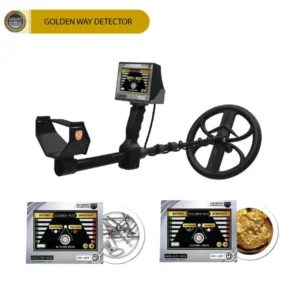
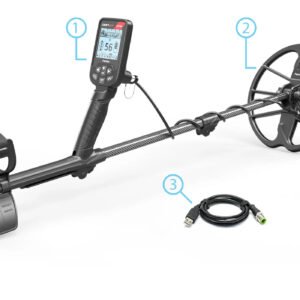
Coil machines, £79.95 to £775Swung by hand over the surface. Realistic depth on a coin is six to ten inches, more on a large iron object. This is what finds the overwhelming majority of recorded British finds.
Pulse induction, £479.99 upIgnores ground mineralisation almost completely, which buys depth on bigger targets and makes wet salt sand workable. Poor at telling you what the target is.
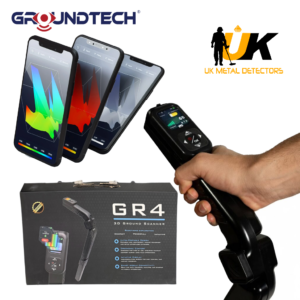
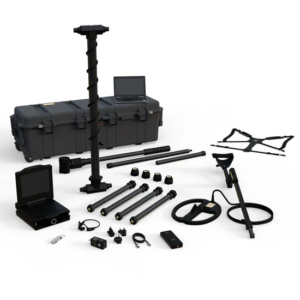
3D ground scanners, £1,300 upTake readings on a grid and build a picture of what is under the survey area. Used for cavities, structures and large buried objects rather than single coins. See the
Groundtech range.
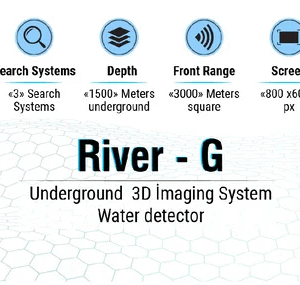
Geophysical and water, £3,499 upThe deepest end, reaching tens of metres for groundwater and voids. The
Geoground Gold Vision and the
River G 3 sit here.
How Deep Will It Actually Go
Target size drives depthA detector reaches roughly as deep as the target is wide, give or take. A hammered silver penny at eight inches is a good signal. The same machine will find a cast iron pipe at three feet.
British soil costs you depthIron rich clay and mineralised farmland absorb signal. A machine quoted at twelve inches in test conditions may give eight in a Midlands field, and that is normal rather than a defect.
Coil size trades depth for sensitivityA bigger coil reaches deeper and covers ground faster but misses small targets and struggles in rubbish. A small coil does the opposite. Most people want a mid sized one.
Scanners read differentlyA 3D ground scanner does not detect a coin at twenty metres. It maps changes in the ground, so it reaches that depth for cavities, walls and large metal masses only.
What Ground Machines Cost
Why Buy From Us
Official UK dealerReal warranty, real support, and stock we actually hold.
Built for UK groundMineralised farmland, shingle beaches and riverbanks, where cheaper kit struggles.
Honest adviceWe would rather talk you into the right machine than the dearest one.
Free UK deliveryOn every detector, with support from a UK team.
Chasing gold specifically? See the gold detectors. Working sand and surf? The beach detecting page covers what salt does to a machine.
Ground Metal Detector Questions, Answered
What is a ground metal detector?
In normal use a ground metal detector, or simply a ground detector, means one you swing over the ground to find buried metal, as opposed to a security wand or an archway. The term is also used for 3D ground scanners, which survey far deeper but are a different tool for a different job.
How deep do ground metal detectors go?
For a coin sized target in British soil, six to ten inches with a standard machine. Larger objects read deeper, up to two or three feet for something substantial and iron. Quoted maximum depths almost always refer to large targets in ideal ground.
What is the best ground metal detector for deep ground searching?
If you mean deep single targets, a pulse induction machine or a 3D ground scanner such as the Groundtech GR-4. If you mean deep coins, no machine gives you much more than ten inches, and technique and ground conditions matter more than price.
Will a ground metal detector work in clay?
Yes, but with reduced depth and more chatter. Iron rich clay absorbs the signal, so ground balance the machine properly on site and accept a few inches less. Machines with manual ground balance cope better than fixed preset ones.
Can a ground metal detector find gold?
Gold jewellery and coins, yes, on any decent machine. Small natural nuggets need a high frequency specialist detector, because a nugget the size of a grain of rice is a very small target. Our gold detector range covers that.
Do I need a 3D ground scanner?
Almost certainly not, unless you are surveying for structures, voids or large caches, or working professionally. For coins, jewellery and relics a £250 coil machine will out perform a scanner, because that is what it is designed to do.
What else do I need besides the detector?
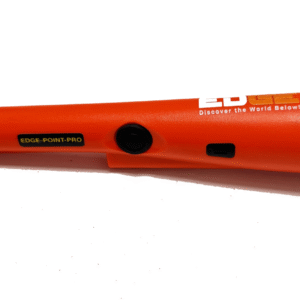
A pinpointer, a proper digging tool, headphones and a finds pouch. The pinpointer makes the biggest difference. The Edge Pro Pointer at £49.95 turns a five minute dig into a thirty second one.
Do I need permission to search a field?
Always, in writing, from the landowner, every time. Scheduled monuments are off limits entirely. Treasure finds must be reported to the coroner, and recording other finds with the Portable Antiquities Scheme is the done thing.