
On this page
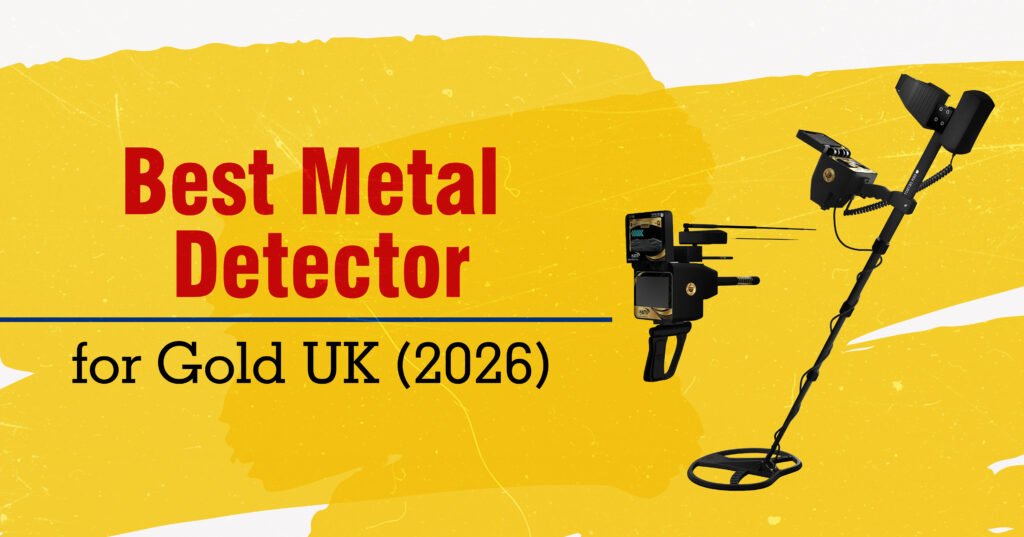
The best metal detector for gold UK users should choose is one that can detect tiny gold particles, handle mineralised ground, and give stable, clear signals. Gold is not like coins or iron objects. It is often small, irregular, and sits deep in difficult soil conditions, which is why many standard detectors struggle to pick it up properly.
Metal detecting in the UK is very active, but gold finds are rare, which makes the right detector even more important. With over 1.8 million recorded finds through official databases like the Portable Antiquities Scheme, most discoveries are coins or relics. Gold requires specialised equipment, patience, and the right understanding of ground conditions.
A good gold metal detector is designed to pick up very small gold signals while staying stable in mineralised UK soil. Gold is not like coins or relics. It is usually tiny, irregular in shape, and often mixed with minerals. This makes it harder for standard detectors to identify it accurately.
Specialised gold detectors solve this problem by using higher sensitivity, better ground balance systems, and advanced signal processing. Instead of getting confused by soil minerals, these detectors filter out noise and focus on real gold signals. This is especially important in areas like rivers, streams, and historic lands where ground conditions can vary a lot.
The best gold metal detectors UK users should consider are those specifically engineered for high sensitivity, deep scanning, and stable performance in mineralised ground conditions found across the UK. Unlike general-purpose machines, gold detectors are built to pick up extremely small, low-conductive targets while filtering out heavy ground interference.
Based on product positioning, technical capabilities, and real-world usability, the following detectors stand out in 2026 for serious gold detection. Each category serves a slightly different type of user, so the right choice depends on whether you prioritise precision, depth, stability, or versatility.
UIG gold detectors are designed specifically for precision gold detection, making them one of the most reliable choices for finding small gold in UK conditions. What sets this range apart is its focus on sensitivity rather than just depth, which is exactly what gold detection requires.

These detectors are built to detect very small gold particles that most standard detectors completely miss. In practical terms, that means better performance in areas like riverbeds, shallow deposits, and historically worked land where gold exists in fine traces.
The UIG Gold Digger stands out because it strikes a strong balance between usability and performance. It is sensitive enough for small gold but not overly complex, which makes it suitable for both beginners and experienced users.
UIG detectors are ideal when:
If your goal is pure gold detection, this is one of the strongest and most focused categories available in the UK market.
GER detectors are built for deep detection and professional-level gold prospecting, making them suitable for users who want to go beyond surface-level finds. These are not entry-level machines. They are designed for serious exploration where gold may be buried deeper underground.
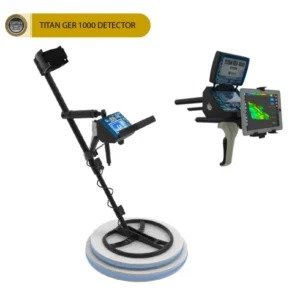
These detectors use advanced scanning systems that allow deeper ground penetration and better target identification. This makes them highly effective in locating gold deposits that are not accessible with standard VLF detectors.
The Gold Hunter Smart is particularly strong because it combines depth detection with signal clarity, which is often where many deep scanners struggle.
GER detectors are best when:
If you are looking for a professional gold detector UK users rely on for serious prospecting, this category is built for exactly that.
Geoground detectors are designed to provide stable and consistent signals, which is critical when detecting gold in mineral-heavy UK soil. One of the biggest challenges in gold detecting is ground interference, and this is where Geoground performs well.
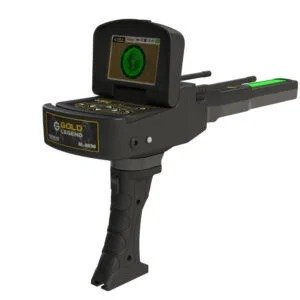
These detectors focus on signal stability rather than just raw sensitivity or depth. That means fewer false positives and a smoother detecting experience, especially in areas where the ground composition keeps changing.
The Gold Vision is particularly effective in maintaining consistent readings, even in challenging soil conditions.
Expert insight:
If you have experienced noisy or inconsistent detectors before, Geoground offers a much more controlled and reliable approach.
The affordable option

19 kHz, fast recovery, ground balances onto wet sand.
£249.99£399.95Save £149.96
Add to basketFull detailsIn stock
GroundTech detectors are built for deep scanning and large-area coverage, making them ideal for locating gold deposits over wider land areas. These detectors are often used when the goal is not just finding small surface gold but identifying deeper targets across a broader zone.
These systems are designed to scan deeper layers of the ground while covering more area in less time. This is especially useful for advanced users working on fields, open land, or unexplored terrain.
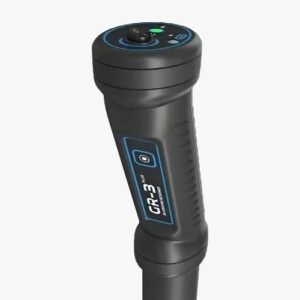
GroundTech is ideal when:
These detectors are not typically for beginners but can be extremely powerful in the right hands.
REFLEX-G10 is a versatile detector that balances gold detection with multi-purpose usability, making it suitable for users who want flexibility.
It offers good sensitivity for gold while still being capable of detecting other metals effectively. This makes it a strong option if you do not want to invest in a dedicated gold-only detector.
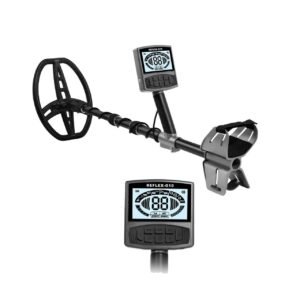
Expert insight:
If you want one detector that can do more than just gold, REFLEX-G10 is a practical choice.
EDGE-POWER is designed for users who want a balance between control, stability, and long-term usability without stepping into overly complex systems.
It offers controlled sensitivity and stable operation, which helps users improve their detection skills over time. Instead of overwhelming you with advanced features, it focuses on delivering consistent performance.
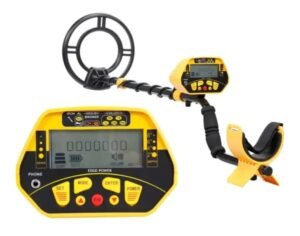
Expert perspective:
This is a strong choice if you are moving beyond beginner-level detectors and want something more refined.
Professional gold detectors are specifically engineered to detect small and deep gold targets with higher accuracy, while standard detectors are built mainly for general-purpose detecting like coins and relics.
Standard detectors usually operate at lower sensitivity levels and struggle with mineralised ground. This leads to missed gold targets or inaccurate signals. In contrast, professional detectors are designed to handle these exact challenges.
The real difference comes down to sensitivity, signal clarity, and ground handling capability. Professional detectors can isolate gold signals more effectively and reduce interference from soil minerals, which is essential in UK detecting conditions.
From an expert viewpoint:
The most important factors when choosing a gold metal detector are sensitivity, ground balance, and how well the detector performs in real UK soil conditions. Many buyers focus only on depth, but that can be misleading because gold is often small rather than deep.
You should choose your detector based on the type of gold you are targeting and your level of experience. Small gold requires high-frequency sensitivity, while deeper deposits require advanced scanning systems.
Here is how an expert would break it down:
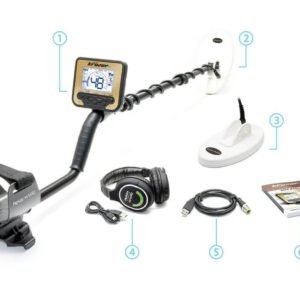
The sensible middle
| Detector Type | Best For | Strength |
| UIG | Gold detection | Precision |
| GER | Professional use | Deep scanning |
| Geoground | Stability | Consistency |
| GroundTech | Deep scanning | Coverage |
| REFLEX-G10 | Versatile use | Sensitivity |
| EDGE-POWER | Intermediate users | Stability |
Most beginners struggle with gold detecting, not because of a lack of effort, but because of avoidable mistakes in approach, settings, and equipment. Avoiding these mistakes early can save time and significantly improve your results.
If you want a deeper breakdown of beginner errors and how to fix them, check our complete guide on common metal detecting mistakes.
Finding gold in the UK comes down to location, method, and patience, not luck. Most beginners fail because they search randomly instead of following a structured approach.
The right method is simple: choose high-probability areas, scan slowly, and pay attention to even the weakest signals.
Most gold detecting myths come from marketing, not real field experience. Believing these can lead to wrong expectations and poor buying decisions.
In reality, gold detection depends on physics, soil conditions, and target size.
The serious choice

Professional gold and coin detector, strong on difficult ground.
£599.99£699.99Save £100
Add to basketFull detailsIn stock
Gold detectors are not all the same, and choosing the wrong type is one of the biggest mistakes beginners make. Each type is designed for a specific purpose.
The best settings for gold detection are stable, not extreme. Many users increase everything to maximum, which actually reduces accuracy.
In UK conditions, balanced settings perform far better than aggressive ones.
Stability always beats raw power in gold detection
Gold detection in the UK is challenging because gold is rare and usually found in very small quantities. This is very different from countries where large nuggets are common.
This means success depends more on technique and patience than just equipment.
The best gold detector depends on what you are actually trying to find. Choosing based on your goal is far more effective than comparing features blindly.
Do not choose the most advanced detector. Choose the one that matches your use case.
Gold detecting is not about buying the most expensive detector; it is about choosing the right tool and staying consistent. Even the best metal detectors for gold will not guarantee success without patience and proper technique.
If you are serious about finding gold, investing in a reliable gold metal detector UK users trust can make a significant difference. Focus on learning your detector, understanding the terrain, and improving your approach over time.
Not sure which of these suits the ground you search? Tell us where you detect and we will point you at the right one, including the cheaper one when that is the honest answer. We use these machines ourselves.