Professional Metal Detectors
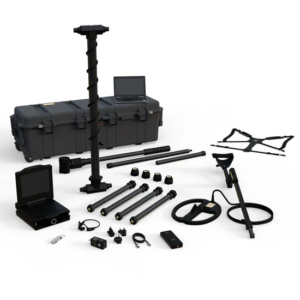
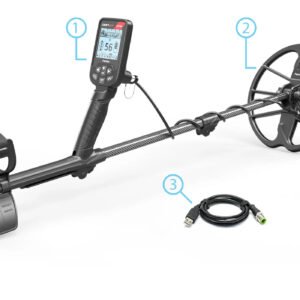
In short. A professional metal detector is one built for people who detect often and need depth, target separation and reliability rather than a low price. In this range that starts around £149 and runs to £29,990 for full survey equipment.
The word professional gets used loosely. What actually separates a professional machine from a toy is how it behaves in difficult ground: stable ground balance, clean target separation when finds sit close together, and build quality that survives being used every week rather than twice a summer.
What Makes a Detector Professional?
Ground handlingProper manual and automatic ground balance, so mineralised soil does not swamp the signal.
Target separationThe ability to hear a good find sitting next to iron rubbish, which is where most sites actually are.
Depth with controlRaw depth is easy. Depth you can trust, with a target ID you believe, is what you pay for.
Build qualityWeatherproofing, cable strain relief and a shaft that does not rattle after a season.
Choosing by Budget
A Professional Metal Detector for Gold
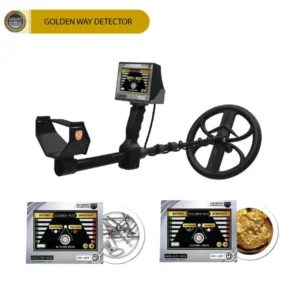
If gold specifically is the target, frequency matters more than price. Higher frequency machines are far more responsive to small, low conductivity gold, while deep scanning systems are built for large buried caches rather than flakes. Our gold detector range covers both approaches.
Why Buy From Us
Official UK dealerReal warranty, real support, and stock we actually hold.
Built for UK groundMineralised farmland, shingle beaches and riverbanks, where cheaper kit struggles.
Honest adviceWe would rather talk you into the right machine than the dearest one.
Free UK deliveryOn every detector, with support from a UK team.
Newer to this? The beginner range is a better starting point, and nothing there will hold you back for your first season.
Professional Metal Detector Questions, Answered
What is a professional metal detector?
One built for frequent, serious use. In practice that means stable ground balance in mineralised soil, good target separation around iron, a target ID you can trust, and build quality that survives regular use. It is about capability rather than badge.
How much does a professional metal detector cost?
In this range, from about £149 for a capable step up machine to £29,990 for full survey equipment. Most serious hobbyists land between £250 and £700. Beyond roughly £2,500 you are generally buying scanning and imaging rather than better coin finding.
What is the best professional metal detector?
There is no single answer, because ground and targets differ. For UK fields and pasture a good multi purpose machine around £300 to £700 is hard to beat. For gold, frequency matters more. For survey work, a 3D scanner is a different tool entirely.
Are professional metal detectors worth it?
If you detect regularly, yes. The gain is not magic depth, it is fewer wasted digs and finds you would otherwise have walked over. If you go out twice a year, the money is better spent on permissions and time in the field.
What is the best professional metal detector for gold?
A high frequency machine for small gold near the surface, or a deep scanning system if you are chasing large buried caches abroad. The two jobs need genuinely different equipment, and no machine does both brilliantly.
Do I need a licence to use a metal detector in the UK?
No licence, but you do need the landowner’s permission before you search, every time. Scheduled monuments and some protected land are off limits entirely, and treasure finds must be reported to the coroner.
How deep will a professional metal detector go?
For a coin sized object in reasonable soil, eight to twelve inches is realistic for a good machine. Larger objects go deeper. Depth claims quoted without a target size are not worth much.
Can a beginner use a professional machine?
Yes, but there is little point at first. Most of the gain comes from learning your ground and your signals. Start simpler, then upgrade once you know what your current machine is costing you.
Further reading