Beach Metal Detecting UK: What Actually Works
In short. Beaches are the most rewarding ground in Britain for jewellery, and the most punishing on equipment. Wet salt sand confuses machines that handle farmland perfectly well. Detectors here start at £79.95, and what matters most is salt handling and waterproofing, not price.
Beach detecting is the one branch of the hobby where losses keep arriving. Every summer rings slip off cold fingers and chains break in the surf, and the sand keeps moving them about. Unlike a field, a beach refreshes itself after every tide.
Why Beaches Need Different Kit
Salt is conductiveWet salt sand reads as a signal in its own right. A machine without proper salt compensation will chatter constantly.
Black sandIron rich mineral sand sits in streaks and bands and masks targets exactly where the good finds collect.
Water and gritSplashes, spray and blown sand get everywhere. Waterproof coils are not optional.
Depth changes dailySand moves with every tide. Ground that was barren last week can be productive today.
Where to Search on a Beach
The wet sandHeavy items sink and settle. The strip between low and high water is where rings end up.
The cutAfter a storm, look for where the sand has been scoured away into a step. That exposes older layers.
The towel lineDry sand where people sit, undress and apply sun cream. Shallow, easy digging, lots of recent losses.
Low tideA spring low tide opens ground that is underwater most of the month. Check the tide tables before you go.
Choosing a Beach Metal Detector
The metal detectors for the beach that we stock fall into three brackets. Beach metal detectors do not have to be expensive, but they do have to cope with salt.
Starting out, under £200Lander XD50 £79.95 or the
Edge Tec £149.95. Fine for dry sand and the towel line.
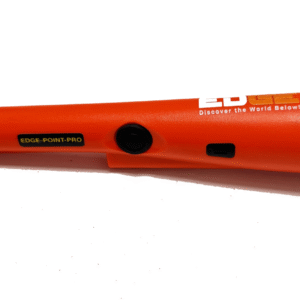
PinpointerEdge Pro Pointer £49.95. On a beach it saves more time than anything else you can buy.
A long handled scoopNot sold here, but buy one. Digging wet sand by hand is miserable and slow.
Why Buy From Us
Official UK dealerReal warranty, real support, and stock we actually hold.
Built for UK groundMineralised farmland, shingle beaches and riverbanks, where cheaper kit struggles.
Honest adviceWe would rather talk you into the right machine than the dearest one.
Free UK deliveryOn every detector, with support from a UK team.
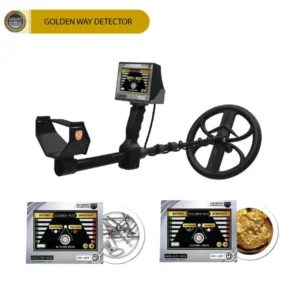
Detecting inland as well? Our ground detectors and gold detectors cover field and river work.
Beach Detecting Questions, Answered
Can you use a metal detector on a public beach in the UK?
On most public beaches, yes, but it depends who owns the foreshore. Much of it belongs to the Crown Estate, which permits recreational detecting on its beaches. Local councils, the National Trust and private owners set their own rules, so check before you go.
Do you need permission to metal detect on a beach?
You need to know whose land it is. Crown Estate foreshore is generally open to recreational detecting. Council owned beaches often require permission or ban it in summer. Always check locally, and never assume.
What do you find metal detecting on the beach?
Mostly modern coins, ring pulls and bottle tops. The prizes are gold and silver jewellery, which is lost on beaches far more than anywhere else. Occasionally older material appears after storms scour the sand.
What is the best metal detector for the beach?
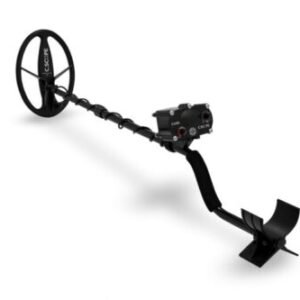
One that handles salt properly and has a waterproof coil. A pulse induction machine like the C.Scope CS4Pi is the straightforward answer for wet sand. For dry sand and the towel line, almost any decent detector will do. If you want the single best beach metal detector we stock for wet salt sand, it is the CS4Pi.
When is the best time to go beach detecting?
A spring low tide, and the day after a storm. Low tide exposes ground that is normally underwater, and storms strip sand away to reveal older layers. Early morning after a busy weekend is also productive.
Do I need a waterproof metal detector for the beach?
A waterproof coil is essential, since it will get wet whether you plan to or not. A fully submersible machine is only necessary if you intend to detect in the water itself.
Will salt water damage my detector?
Salt is corrosive and will eventually attack connectors and shafts. Rinse the coil and lower shaft in fresh water after every session and dry the machine properly. That one habit doubles the life of beach equipment.
Do I have to report what I find on a beach?
Gold and silver items over 300 years old, and groups of coins, count as treasure and must be reported to the coroner. Modern jewellery does not, though making a reasonable effort to find the owner of a recent loss is the decent thing to do.
How do you use a metal detector on the beach?
Work in straight, overlapping lines rather than wandering, and keep the coil flat and low to the sand. Drop the sensitivity a little on wet salt sand until the machine runs quietly, because a chattering detector hides real signals. Start at the towel line if the tide is in, and move down to the wet sand as it goes out.