On this page
A 3D ground scanner is not just a detector that tells you something is underground. It is a subsurface imaging system that helps you see, analyse, and understand what is beneath the ground before you dig. It combines multiple sensing technologies with software-based visualisation to reduce guesswork and improve accuracy.
If your goal is serious exploration, whether for gold detection, archaeology, or deep scanning, then a 3D underground scanner is the right investment. But choosing the wrong device can lead to poor results, wasted time, and misleading data.
This guide walks you through everything in a structured, expert way so you can make a confident, informed decision.
A 3D ground scanner is an advanced system used to scan information beneath the earth’s surface and display the results as an image. Unlike traditional detectors that issue sound signals, the ground scanner displays graphical images of any detected objects, structures, and anomalies below the ground.
Essentially, the technology aims to answer three major questions:
The 3D underground scanner in the UK includes:
The difference is not just technical; it directly impacts results in the field.
A standard metal detector is reactive. A 3D ground scanner is analytical.
| Feature | Standard Metal Detector | 3D Ground Scanner |
| Output | Audio signals (beeps) | 3D visual imaging |
| Detection | Metal presence only | Metals + voids + structures |
| Depth insight | Limited | Detailed depth mapping |
| Data analysis | None | Advanced software interpretation |
| Accuracy | Moderate | High (with correct use) |
| Digging required | High guesswork | Reduced unnecessary digging |
In real-world use, this means:
For anyone serious about underground exploration, this distinction is critical.
A 3D ground scanner UK is not a casual gadget; it is a specialised tool designed for people who need accurate underground interpretation, not just detection.
Before buying, the most important question is not “Which scanner is best?” but “Do I actually need a 3D scanner?”
Because in many cases, users over-invest in complex systems when a basic detector would have done the job.
You should consider a ground scanner for sale UK if your work or interest involves depth, structure, and analysis, not just surface-level signals.
These devices are ideal for:
What connects all these users is one thing:
They are not just trying to find metal; they are trying to understand what lies underground.
A 3D scanner can actually slow you down if your needs are simple.
If your use case is limited to shallow, quick detection, then a standard detector is more practical and efficient.
For example:
In these situations, a 3D scanner adds unnecessary complexity without real benefit.
The decision comes down to this:
That distinction is what separates casual users from serious explorers.
The affordable option

Golden Mask Deep Hunter Pro3 SE
Pulse induction built for depth on larger targets.
£1,299£1,495Save £196
Add to basketFull detailsIn stock
Choosing the best 3D ground scanner UK is not about going for the highest price or the most advertised depth.
It is about understanding which features actually affect real-world performance, especially in varied ground conditions like those found across the UK.
This is the foundation of any 3D scanning system.
A scanner is only as good as its ability to translate raw ground data into something you can actually understand and act on.
In professional use, the difference between a good and bad scanner is often not hardware, but how clearly it presents the data.
A strong visualisation system should:
If the software is confusing or unclear, even a powerful scanner becomes unreliable in practice.
Depth is one of the most marketed and most misunderstood features.
Manufacturers often advertise maximum depth under ideal conditions, but real-world performance depends on multiple variables.
A more practical way to understand depth is by category:
However, depth is never fixed. It depends on:
So instead of chasing maximum depth numbers, focus on consistent and reliable depth performance.
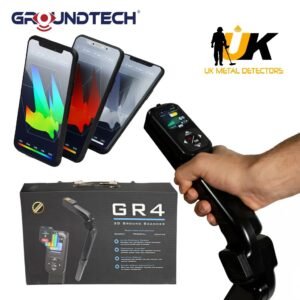
A high-quality underground scanner UK does not rely on a single detection method. It combines multiple technologies to improve accuracy and reduce false readings.
Each system plays a specific role:
The more systems a scanner integrates, the better it can cross-verify data.
However, this also increases complexity, so ease of use becomes equally important.
Many buyers focus heavily on hardware and ignore software, but in reality, software is where the actual interpretation happens.
A scanner without strong software is like having data with no explanation.
A good system should:
If the software is poorly designed, you may misread results even if the scan itself is accurate.
The UK presents a challenging mix of ground conditions, which directly affect scanning performance.
Different terrains can distort signals if the scanner is not designed to handle them properly.
Common conditions include:
A reliable 3D ground scanner UK should be able to:
Without this adaptability, results can become inconsistent or misleading.
Since scanning happens outdoors, often over long sessions, usability matters more than most buyers expect.
A technically powerful scanner is useless if it is difficult to handle in real conditions.
Look for:
Ease of use directly impacts the accuracy and consistency of your scans.
When evaluating options in the 3D ground scanner UK market, it helps to compare devices based on real use cases rather than just specifications.
Comparison Table
| Device | Best For | Depth | Key Strength |
| Groundtech GR-4 | Professional imaging | High | Strong 3D visualisation |
| GR-3 | Beginners upgrading | ~7m | Easy to use |
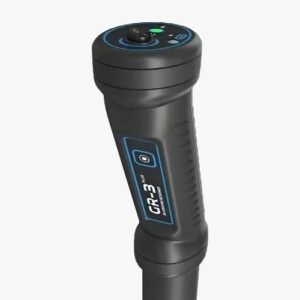
| GR-3 Plus | Mid-range deep scanning | ~15m | Balanced performance |
| Geoground Gold Vision | Gold detection | Medium | Real-time scanning |
| DEEP SEEKER | Professional multi-system use | ~40m | Advanced detection |
| TITAN GER 1000 | High-end exploration | ~45m | Maximum depth |
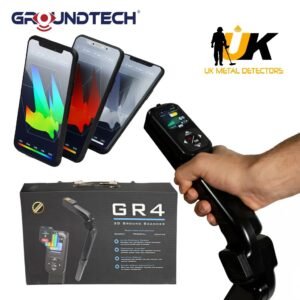
These are not “best to worst” rankings. Each device serves a different level of user and purpose.
The right choice depends on:
Instead of just listing features, here is how each fits into real usage:
The serious choice

Most buying mistakes happen because users focus on marketing claims instead of real usability.
Before purchasing any ground scanner for sale UK, be aware of these common pitfalls:
A 3D scanner is not just equipment; it is a technical system that requires interpretation and learning.
A 3D ground scanner UK is absolutely worth it, but only if your needs go beyond basic detection.
It is designed for users who want clear underground insight, not just signals. Instead of guessing where to dig, you can analyse depth, structure, and anomalies before taking action, which saves time and improves accuracy.
That said, it is not built for casual use. If your goal is simple surface-level detecting, a standard metal detector will be faster, easier, and more practical.
However, if you are serious about deep scanning, structural detection, and reliable data, then investing in the best 3D ground scanner UK is a logical upgrade that delivers real value.
If you are unsure which model fits your needs, it is always better to speak with an expert before making a decision. The right guidance can help you choose a scanner that actually matches your goals instead of overspending on features you may not need.
Not sure which of these suits the ground you search? Tell us where you detect and we will point you at the right one, including the cheaper one when that is the honest answer. We use these machines ourselves.