
Walking along a UK beach with a metal detector sounds simple at first. You switch it on, start sweeping, and expect to find coins or jewellery within minutes. Sometimes that happens. But more often, especially in the beginning, you end up digging bottle caps, foil, and random bits of metal.
But what distinguishes these two outcomes hardly ever lies in your sheer luck. In most cases, it lies in the right choice of a metal detector.
The UK beach metal detecting can be a tricky experience, especially compared to detecting in parks and other similar places. The factors like saltwater, moisture, and mineralisation make it difficult to operate many metal detectors properly. The signal becomes erratic and weaker, and the number of false targets increases.
This is why using the right metal detector for the beach in the UK is crucially important.
Below, we are going to share our insights about which detectors are good enough to go beach metal detecting with, what features you should consider to succeed in real-life detecting, what laws apply to beach metal detecting, and how to increase your chances of finding something.
If you’ve only worked with a metal detector on land, the beach can be very annoying. Most people think there must be something wrong with the metal detector because it acts differently than normal. Actually, it’s just responding to a very complicated situation.
The saltwater conducts electricity extremely well. Therefore, it is possible for your metal detector to misinterpret the ground itself. Rather than identifying individual objects, the device creates a tone.
That’s why a great metal detector in a park can become hard to use when you’re searching wet sand. Your metal detector won’t be able to distinguish real items from false readings.
Dry sand is the easiest place to start. It behaves similarly to soil, so most detectors work without major issues. This is where many beginners feel confident.
Wet sand is a different story. It contains salt and minerals that interfere with detection signals. However, it is also where most valuable items are found because people tend to lose jewellery closer to the waterline.
So while dry sand is easier, wet sand is where the real opportunities are.
Unlike land, beaches are constantly shifting. Tides, waves, and storms move sand around daily. Items that were buried deep can suddenly become accessible, while others disappear under fresh layers.
This is why experienced detectorists pay attention to timing. Low tide, recent storms, and high footfall areas often produce the best results.
If you want a direct answer without overthinking it, here it is.
The best metal detector for UK beaches is one that has a waterproof search coil, reliable ground balancing, and stable performance in saltwater conditions.
For most users:
If your detector cannot handle saltwater properly, you will struggle no matter how skilled you become.
Now let’s break things down properly. Not every metal detector performs well on UK beaches, even if it looks good on paper. The models below stand out because they actually handle saltwater, wet sand, and changing conditions without becoming frustrating to use.
If you want one detector that covers almost everything, the Edge Tec Pro is an easy recommendation. It strikes a balance between performance and simplicity, which is exactly what most users need on the beach.
It handles wet sand confidently, gives clear signals, and does not overwhelm you with complicated settings.
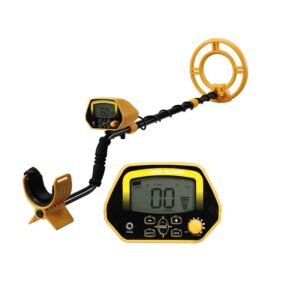
Why it works well on UK beaches:
What makes this detector stand out is how consistent it feels. You are not constantly second-guessing signals, which is a common issue with lower-quality machines.
If you plan to detect regularly, especially in tougher conditions, the Edge Power gives you that extra level of control and stability.
It is built to handle mineralised sand without constant adjustment, which makes a noticeable difference on UK beaches.
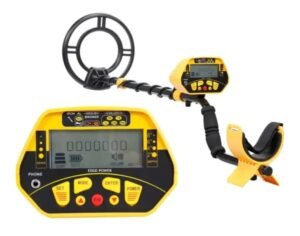
Why detectorists prefer it:
This is the kind of detector you choose when you want fewer false signals and more reliable finds over time.
Starting out on beaches can feel overwhelming, so having a simple detector helps more than anything else.
The Edge Tec focuses on ease of use while still offering enough performance to find real targets.
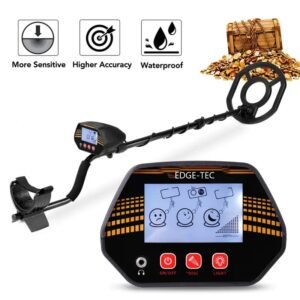
Why is it beginner-friendly:
It may not be the most advanced detector, but it gives you a solid foundation without unnecessary complexity.
The Air MD is very different from traditional detectors. It brings in modern features while keeping things practical for real use.
It is especially useful if you prefer something lightweight and easy to carry during long sessions.
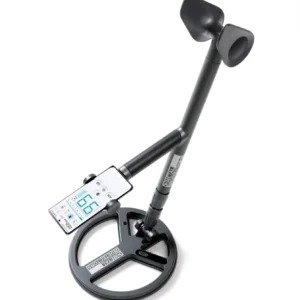
What makes it unique:
This is a good option for users who want a cleaner, more modern detecting experience without sacrificing functionality.
If you want a step up from beginner models without spending too much, the Reflex G10 fits that gap well.
It gives you better control, more features, and improved accuracy while still being easy to use.
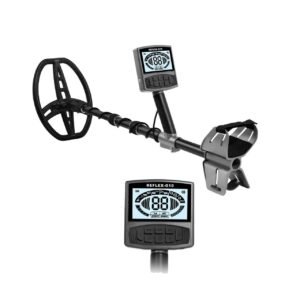
Why it offers good value:
It is a practical choice for anyone who wants something reliable without going into higher price ranges.
Edge Pro pinpointer might seem like an optional tool at first, but once you use one, it becomes hard to go back.
After your main detector finds a target, a pinpointer helps you locate it precisely within the sand. This makes your entire process faster and more efficient.
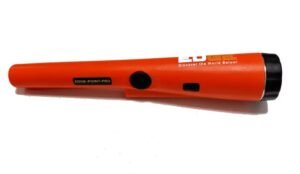
Why it matters on beaches:
On beaches, where targets can shift easily, this tool can save a lot of time and effort.
| Detector | Best For | Key Strength | Beach Performance | Ease of Use |
| Edge Tec Pro | Overall use | Balanced performance | Excellent in wet & dry sand | Easy to Moderate |
| Edge Power | Regular users | Stability & ground balance | Strong in saltwater conditions | Moderate |
| Edge Tec | Beginners | Simplicity | Good in dry & light wet sand | Very Easy |
| Air MD | Tech users | Lightweight & wireless | Good in shallow water | Easy |
| Reflex G10 | Budget mid-range | Value & control | Reliable in mixed conditions | Easy |
Understanding features is more important than focusing only on brand names.
This is essential. Without a waterproof coil, you cannot properly detect in wet sand or shallow water, which limits your chances of finding valuable items.
Ground balance allows your detector to adjust to mineralised conditions. On beaches, this helps reduce false signals caused by saltwater.
Automatic ground balance is easier for beginners, while manual options offer more control.
Beaches contain a lot of unwanted metal. Discrimination helps filter out items like iron and foil so you can focus on valuable targets.
Higher sensitivity helps detect smaller objects, but too much can create noise. Finding the right balance is important.
Beach detecting often involves long sessions. A lightweight and well-balanced detector reduces fatigue and improves overall experience.
This is one of the most searched questions, and the answer depends on where you are detecting.
The Short Answer
Yes, you can use a metal detector on many UK beaches, but you must follow certain rules.
Public beaches generally allow detecting, but privately owned beaches require permission. Many beaches fall under Crown Estate ownership, where detecting is allowed with guidelines.
You must avoid protected or archaeological sites. If you find valuable or historically significant items, you are required to report them under the Treasure Act 1996.
To understand the rules clearly, take a moment to read our metal detecting code of practice. Following these guidelines helps you stay within the law and builds a positive reputation within the detecting community.
Yes, but expectations matter.
Beaches are one of the best places to find modern jewellery and lost items because of high foot traffic. However, they also come with challenges such as trash signals and changing conditions.
Success comes from consistency. Low tide, early mornings, and post-storm conditions often produce better results.
Certain areas consistently perform better than others.
These locations increase your chances of finding recent drops.
Start early in the morning when the beach is quieter. Check tide charts and aim for low tide to access more ground.
Keep your coil close to the sand and move slowly. Fast swings often miss targets.
Use headphones to hear faint signals clearly. Most importantly, give yourself time to learn. The more you use your detector, the better you understand its signals.
Here is a simple comparison to help you understand the difference:
| Factor | Beach Detecting | Land Detecting |
| Difficulty | Medium to High | Low to Medium |
| Ground Conditions | Unstable, mineralised | Stable |
| Best Finds | Jewellery, modern items | Coins, relics |
| Signal Stability | Lower | Higher |
| Skill Required | Higher | Moderate |
Beach detecting is more challenging, but it often leads to better rewards.
Most beginners struggle on the beach, not because of bad luck, but because of a few avoidable mistakes. Once you understand what’s going wrong, your results improve almost immediately.
Here are the most common issues to watch out for:
The more time you spend understanding your detector in real beach conditions, the more confident and efficient you become.
Choosing the best metal detector for the beach in the UK is not about picking the most expensive option. It is about choosing one that works in real UK beach conditions.
If you are starting out, the Edge Tec is a practical choice. If you want more performance and flexibility, the Edge Tec Pro or Edge Power are better options.
If you prefer lightweight and modern technology, the Air MD is worth considering.
The key is simple. Choose a detector that can handle saltwater, wet sand, and mineralisation without constant frustration.
Still unsure which one is right? Speaking to an expert before buying can save both time and money.
Call now to get the right recommendation based on experience level and budget.