Water Detectors
In short. These locate underground water rather than metal. They read the electrical signature of water bearing ground, which is how they reach depths no detector could. The range runs £2,100 to £6,999.
Groundwater location is a surveying job, not a treasure hunting one. The customers are farms siting a borehole, developers checking a plot and drilling contractors who would rather not sink a dry hole. If you are looking for coins and jewellery, nothing on this page is for you.
The Range
Water Fall, £2,100Water Fall locates groundwater and voids, and is the sensible first instrument for well and borehole siting.
River-F Smart, £2,250River-F Smart adds smart readout and better discrimination between water and other anomalies.
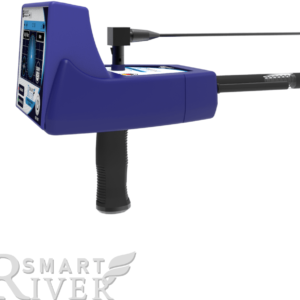
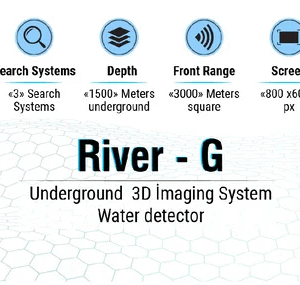
River G 3 Systems, £6,999River G 3 Systems is the deepest unit we stock, with three search systems for difficult geology.
Air MD, £389The Air MD sits in this category but is a conventional detector rather than a water locator.
What to Understand First
They read strata, not objectsThe instrument responds to changes in ground conductivity and resistivity. That is why quoted depths run to hundreds of metres and cannot be compared with a detector’s depth figures.
Geology decides the resultChalk, clay and granite behave completely differently. A unit that performs well on one site can read ambiguously on another, and that is the ground rather than a fault.
Survey properlyMultiple parallel lines and cross checks, not one walk across the field. A single reading is not a survey and should never be the basis for drilling.
Confirm before drillingTreat a strong indication as the best place to put a test bore, not a guarantee. Anyone promising certainty is overselling.
Why Buy From Us
Official UK dealerWarranty handled here rather than shipped abroad, with spares held in the UK.
We use this kitWe survey with these systems ourselves, so the advice comes from the field rather than the brochure.
Honest about limitsLong range equipment is often oversold. We will tell you plainly what a system can and cannot do.
Training and setupSet up, calibration and a walk through of the software included with every professional system.
These are specialist instruments and the right answer depends on your geology and target depth. Ring us with the site and what you are trying to establish, and we will tell you which unit fits. For deep professional survey work see also the OKM range.
Water Detector Questions, Answered
How does an underground water detector work?
It measures how the ground conducts and resists an applied electrical field. Water bearing strata behave differently from dry rock, and the instrument reports that difference. It is geophysics rather than metal detection.
How deep can they find water?
The deeper units are quoted in hundreds of metres, because an aquifer is an enormous feature rather than a small object. Those numbers are not comparable to a metal detector’s depth on a coin.
Are they accurate enough to drill on?
They are accurate enough to choose where to put a test bore, which is their real value. Used properly with a full survey they substantially improve the odds. No instrument removes the risk of a dry hole entirely.
Can a water detector find metal too?
Not usefully. The measurement is different. If you need both capabilities you want two instruments, or a professional system from the OKM range with multiple modes.
Which should a farm or contractor buy?
The Water Fall at £2,100 for ordinary borehole siting. The River G 3 Systems at £6,999 where the geology is awkward or the target depth is substantial.
Do you provide training?
Yes, setup and a full walk through with every unit, plus ongoing support. Survey technique matters more here than with any detector, so we do not skip it.