
Are you thinking of taking up metal detecting in the UK? One of the first questions many beginners ask is whether you need a licence to buy and use a metal detector — and if there are any legal hoops to jump through before you start scanning fields and beaches. The short answer is no: there is no universal metal detecting licence issued by the government. But that doesn’t mean you’re free to detect wherever you please. The rules in the UK are largely about permission, heritage protection laws, and land rights, rather than formal government licensing.
Unlike fishing, driving, or drone flying, you do not need a specific licence to own or use a metal detector anywhere in the UK. You can buy one and take it out of the box without any formal government approval.
However, not needing a licence doesn’t mean you have free rein. The key legal requirement that applies in all parts of the UK is this:
👉 You must have the permission of the landowner or authority before you go detecting.
In UK law, all land (including common land, parks, beaches, and what looks like “public” space) has an owner — even if you can’t immediately identify them. Detecting without permission is effectively trespassing, and removing anything from the land without consent could be considered theft.
In practice, detecting in the UK is about permission, not licensing:
In other words, every time you go detecting, you’re essentially operating under a permission agreement with the landowner — your “licence to search” for that site.
While licensing isn’t required generally, detecting is explicitly illegal in certain places, with or without permission. These include:
Sites formally protected due to archaeological or historical significance (e.g., ancient ruins, earthworks). Detecting on them without specific written consent from Historic England (or the equivalent body in Scotland, Wales, or Northern Ireland) is a criminal offence.
These areas are protected for their ecological value, and detecting is usually prohibited to prevent damage to habitats and undiscovered archaeological features.
The National Trust generally does not allow metal detecting anywhere on its properties unless it’s part of a formally agreed archaeological project under a research agreement.
Many woodland and conservation areas also prohibit detecting due to historical or environmental sensitivity.
Much MOD land is off-limits unless you get very specific permission — something rarely offered to hobbyists.
Trying to detect in these spaces without explicit governmental or landowner approval can lead to criminal charges, substantial fines, or even jail, because you’re breaching heritage and conservation laws.
Beaches are one of the most popular places beginners want to try detecting. But even here, understanding the rules matters:
In other words, beaches are often easier to access, but you’re still bound by ownership and reporting laws.
Many hobbyists get confused about whether club membership or association with a national body is a licence — it isn’t.
Joining a club can still be one of the best ways for beginners to get safe, legal access to good detecting land.
Even in places where detecting is legal, there are strict rules on what happens after you find something:
If you find treasure (typically precious metal objects over 300 years old or groups of coins), you must report it to a local Finds Liaison Officer (FLO) within 14 days.
This voluntary scheme lets you record all significant finds — including non-treasure objects — which helps archaeologists build a picture of the past.
These obligations are part of the legal framework in the UK — and apply whether or not a licence exists.
Metal detecting without the correct permission — especially on protected sites — can lead to serious consequences:
This is why responsible detectorists take legal access and reporting as seriously as their hobby itself.
Here’s how to ensure you’re on the right side of the law and landowners:
A phone call, message, or written agreement protects both you and the owner.
A written permission form (even email) outlines rights to detect and keep or share finds.
Fill holes, minimise damage, and follow the landowner’s rules.
Clubs often have established permissions in place and offer safer, more rewarding detecting opportunities.
| Question | UK Metal Detecting Rules |
| Do you need a licence to use a metal detector in the UK? | ❌ No — there is no universal government licence. |
| Do you need permission to detect? | ✅ Yes — always from the landowner or authority. |
| Can you detect anywhere you like? | ❌ No — certain areas like scheduled monuments or SSSIs are off limits. |
| Are club memberships legal licences? | ❌ No — but they help with access and support. |
| Do you have to report finds? | ✅ Yes — especially treasure and significant archaeological items. |
Final Thoughts: Start Smart and Stay Legal
Metal detecting in the UK isn’t restricted by a formal licence, but it is governed by a land rights and heritage protection system built on responsibility and respect. The golden rule to remember is:
👉 Permission first — everywhere — every time.
Whether you’re scanning your own garden, exploring a Crown Estate beach, or joining a local club’s rally, following the law protects both you and the history beneath your feet. Using your metal detector responsibly helps preserve the UK’s rich archaeological heritage for future generations — and ensures you can enjoy this incredible hobby for years to come.
The affordable option
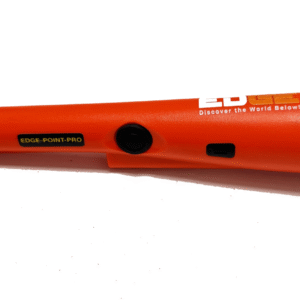
Pinpointer. Finds the target in the hole instead of the spoil.
£49.95£69.99Save £20.04
Add to basketFull detailsIn stock
The serious choice
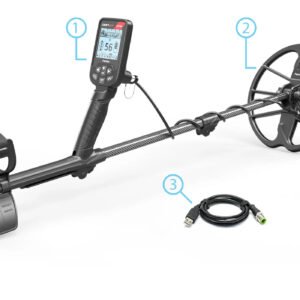
15 kHz, fully waterproof, light, with six search modes.
£299.95£349.95Save £50
Add to basketFull detailsIn stock
Not sure which of these suits the ground you search? Tell us where you detect and we will point you at the right one, including the cheaper one when that is the honest answer. We use these machines ourselves.